Thinking about buying a rental in Pearland’s Brazoria County side but want the quick, honest numbers first? You are not alone. Investors love the area’s suburban feel and Medical Center commute, but the math has to work. In this snapshot, you will see local prices, rents, simple underwriting steps, and the biggest cost drivers to watch, plus a practical checklist to speed up due diligence. Let’s dive in.
Pearland at a glance
Population, prices and rents
Pearland’s city population sits around the 129k to 133k range, based on recent federal estimates, with broader city and ETJ planning figures running higher. You can explore the latest figures in U.S. Census QuickFacts for Pearland.
For pricing, Zillow’s typical home value for Pearland is about $372,000 as of January 2026. For rents, RentCafe’s Pearland report shows an average apartment rent near $1,628 per month in February 2026. Single-family homes with 3 or more bedrooms often lease above apartment averages, depending on condition, location and features.
Why tenants choose Pearland
- Commute and jobs. Pearland sits along SH‑288 with relatively direct access to the Texas Medical Center and other Houston job centers. Local employment spans healthcare, manufacturing, retail and expanding industrial and biotech. See major employers from the Pearland Economic Development Corporation.
- Suburban living. Many renters want a yard, garage and community amenities without ownership obligations, which supports demand for single-family and build-to-rent homes.
- School considerations. Many households weigh proximity to schools when selecting a home, especially for 3 bedroom single-family rentals.
Pearland remains majority owner-occupied, so investors compete with end-user buyers and periodic new-build supply. That dynamic often pushes you to focus on careful underwriting, off-market leads or value-add plays.
What you can buy
Common property types
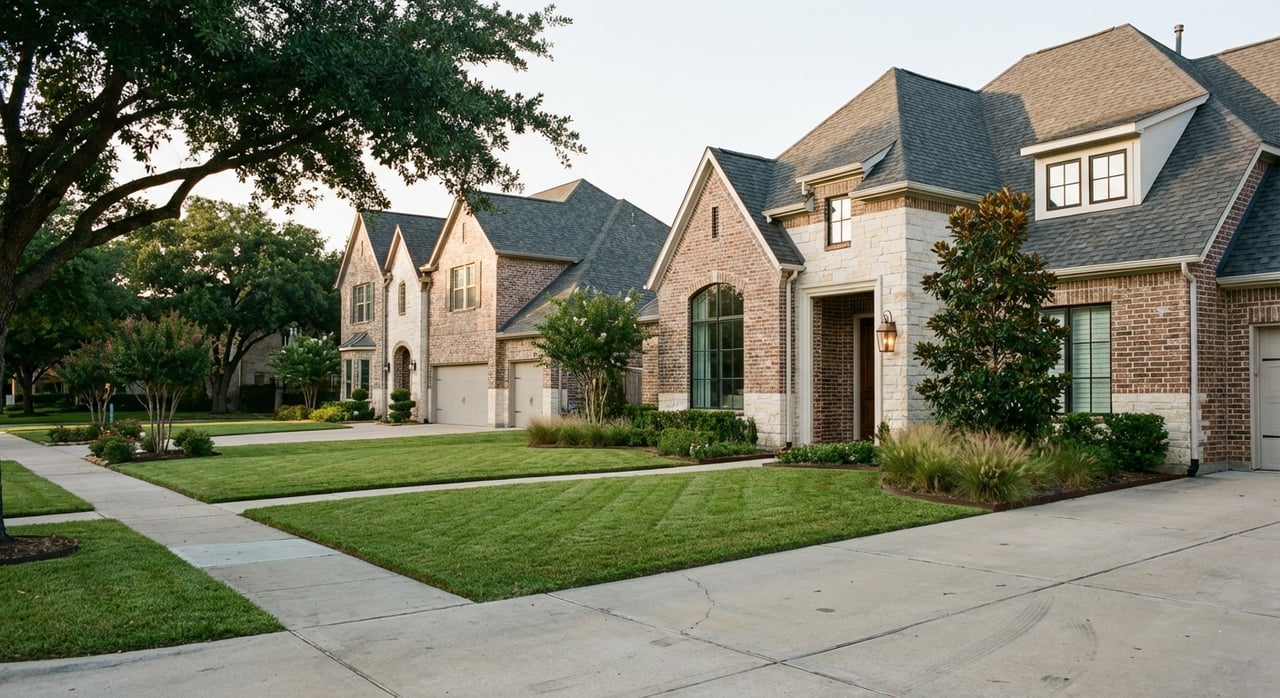
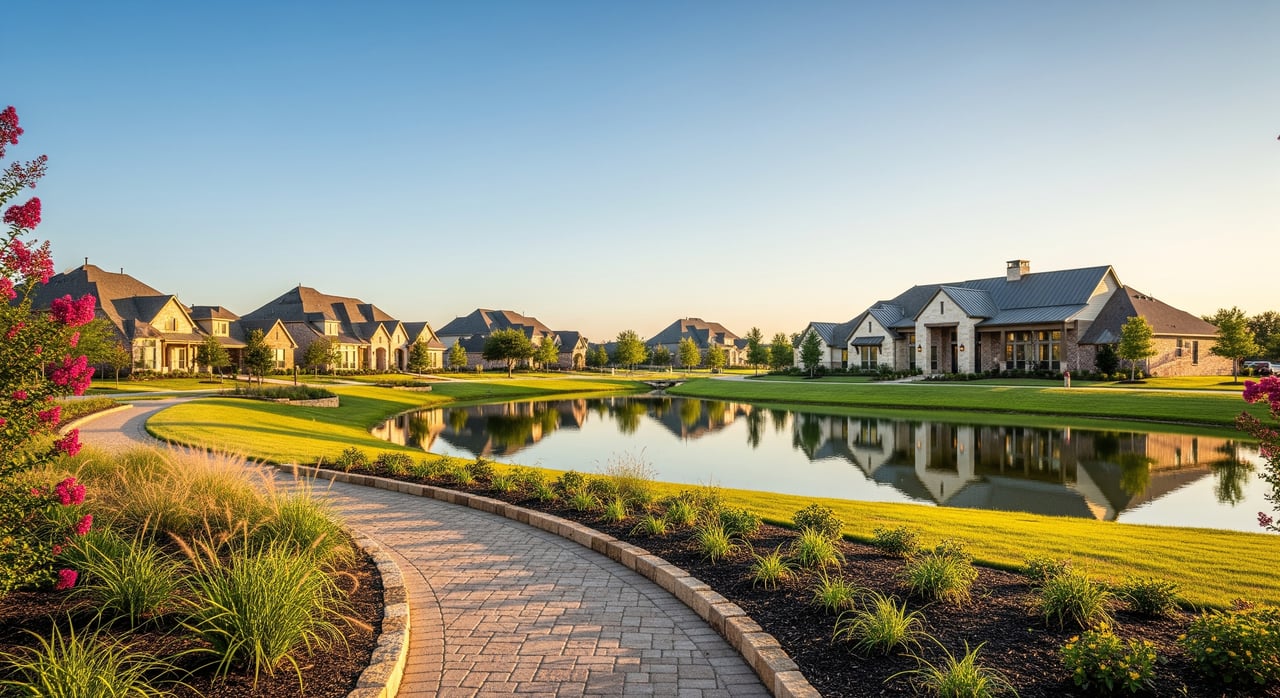
- Single-family detached homes make up most options, including 1990s and 2000s-era master-planned communities such as Shadow Creek Ranch, Southern Trails and Silverlake.
- Attached townhomes and small multifamily (2 to 8 units) are present but limited. These can help diversify income on one lot.
- Purpose-built rental neighborhoods have appeared locally and across Greater Houston. These emphasize convenience, consistent finishes and professional management.
Typical renter profiles
- 2 to 3 bedroom single-family homes often attract households with school ties, professionals with Medical Center commutes and local service workers.
- Smaller attached units may appeal to single professionals, roommates or downsizers.
- Build-to-rent homes tend to draw households seeking a house experience with professional management.
Lease expectations
A 12‑month fixed term is the standard baseline in the area. Month-to-month extensions are common during turnover. Expect standard addenda for pets, utilities, and maintenance responsibilities.
A simple underwriting example
Use conservative screening first, then tighten with property-specific quotes.
- Working price: $372,000 (Zillow typical value for Pearland).
- Working rent: $1,628 per month (RentCafe apartment average, noting that single-family rents often trend higher).
Calculation:
- Annual gross rent: $1,628 × 12 = $19,536.
- Gross-rent yield: $19,536 ÷ $372,000 ≈ 5.25%.
- 50% rule for operating expenses: ~50% of gross rent ≈ $9,768 for taxes, insurance, maintenance, management and reserves.
- Estimated NOI: $9,768.
- Implied cap rate: $9,768 ÷ $372,000 ≈ 2.6%.
What it means: At market prices, headline cash yields can look thin for single-family rentals. Many investors improve returns by:
- Shopping for price discounts or off-market deals.
- Lowering operating costs by self-managing or carefully selecting properties with more favorable MUD and HOA burdens.
- Executing light value-add to justify higher rents.
For context, Houston-area multifamily cap rates have been reported in the mid 5 to 6 percent range, with submarket differences. See the regional backdrop in Colliers’ Houston multifamily report.
Costs and risks to underwrite
Property taxes and MUDs
Pearland addresses can sit in multiple taxing jurisdictions, including city, county, school district and a Municipal Utility District. MUD rates vary and they materially affect returns. Always verify the combined rate at the parcel level using the Brazoria County Appraisal District’s tax schedules and parcel lookup. Start with the Brazoria CAD 2025 tax rate schedule, then confirm the exact parcel’s rate breakdown.
Insurance, wind and flood exposure
Gulf Coast markets have faced rising wind and hail premiums, and flood insurance may be required if the property lies in a Special Flood Hazard Area. Pearland owners have reported rising costs in recent years. Review local trends from Community Impact’s coverage of insurance premiums, then get replacement-cost landlord policy quotes for the specific home.
For flood risk, check FEMA panels and the City’s resources before you commit. The City of Pearland floodplain management page links to FIRM maps and explains elevation certificate and local requirements.
HOA, utilities and reserves
Many master-planned communities include HOA dues and MUD assessments. Read CC&Rs, HOA disclosures and MUD documents for recurring dues and any special assessments. For budgeting, add line items for water, sewer, trash if the owner will pay, plus routine maintenance and capital reserves for roof, HVAC and major systems.
Vacancy and management fees
If you hire a property manager, fees often run in the high single digits to low teens as a percent of collected rent, plus leasing and renewal fees. Add reasonable buffers for vacancy and turnover. A conservative 50% rule can help stress-test your numbers until you replace estimates with property-specific quotes.
Lease and legal basics in Texas
- Security deposits. Texas law generally requires landlords to return the deposit or provide an itemized deduction statement within 30 days after the tenant surrenders the property.
- Late fees. Texas Property Code limits when and how late fees can be charged. A fee may not be assessed until two full days after rent is due, and there are rules for what counts as reasonable.
- Evictions. Nonpayment cases often begin with a short notice to vacate, followed by the county justice court process. For a clear overview, review the Texas State Law Library’s eviction process guide and consult counsel for local practice.
This article shares market context only. It is not legal, tax or accounting advice. Always consult a licensed Texas attorney and a CPA before drafting leases, applying fees or making tax decisions.
Due-diligence checklist for Pearland rentals
Use this quick list before writing an offer:
- Taxes and MUDs. Confirm parcel-level taxing entities and combined rates with the Brazoria CAD rate schedule, then verify through the parcel record.
- Flood risk. Check FEMA panels, elevation requirements and local rules via the City of Pearland floodplain page.
- Price and rent comps. Cross-check city pricing with Zillow’s Pearland home values and rent with RentCafe’s Pearland averages. Update with MLS, property manager quotes and neighborhood-specific comps.
- Insurance quotes. Get replacement-cost landlord, wind and flood quotes where required, informed by local trends such as those covered by Community Impact.
- HOA and MUD documents. Review CC&Rs, bylaws and MUD bond schedules for dues, assessments and restrictions. Confirm details in CAD records.
- Property management and lending. Interview local managers for fee structures and leasing timelines, and talk with lenders about DSCR or investor loan terms.
- Inspections and capex plan. Order general, roof, HVAC and pest inspections. Build a 5‑ to 10‑year capital plan.
- Compare your metrics. Calculate GRM, cap rate, cash-on-cash and DSCR under conservative rent and expense assumptions.
How Wise Living Group helps
You do not need to navigate Pearland’s MUDs, flood maps and rent comps alone. Our team pairs neighborhood specialization with financially informed guidance, including investor acquisition support and 1031 exchange coordination. If you want zip code level rent checks, parcel tax reviews, or an underwriting worksheet tailored to your goals, we are here to help.
Ready to find a rental that pencils in Pearland? Connect with the Wise Living Group to talk strategy, short-list target neighborhoods and line up your next steps. Start your Wise Move. Schedule a consultation.
FAQs
Are Pearland rental yields attractive today?
- At typical citywide pricing and rents, headline cap rates can be thin. Many investors focus on discounts, expense control and value-add to reach their targets, then compare against Houston multifamily caps in the mid 5 to 6 percent range based on Colliers’ report.
What are typical Pearland rents right now?
- A recent citywide apartment average was about $1,628 per month per RentCafe. Single-family homes with 3 or more bedrooms often lease above apartment averages depending on features and location.
How do MUD taxes affect my return?
- MUD rates vary by district and can materially change expenses. Always pull the parcel’s combined tax rate and entities using the Brazoria CAD schedule and parcel data before you underwrite.
What insurance should I budget for in Pearland?
- Expect a landlord policy with replacement cost, plus wind and hail coverage where required. Add flood insurance if the property lies in a mapped flood zone. Premiums have been rising in the area, as noted by Community Impact.
What lease length is most common?
- A 12‑month fixed term is typical, with month-to-month options at turnover. Build in clear addenda for pets, utilities, HOA rules and maintenance responsibilities.
What are key Texas landlord rules I should know?
- Texas law covers deposit return timelines, limits for late fees and the eviction process. For a plain-English overview of evictions, review the Texas State Law Library guide and consult a Texas attorney for lease language and compliance.